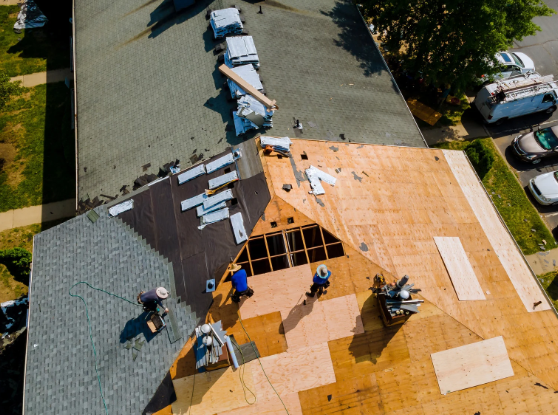
Your roof is one of the most important components of your home. It protects your family, belongings, and property from the elements while contributing to your home’s overall energy efficiency and curb appeal. However, every roof eventually reaches the end of its lifespan. When repairs are no longer sufficient, a full roof replacement becomes necessary.
For homeowners in Fairfax, understanding the roof replacement process can help reduce stress and ensure the project goes smoothly. Knowing what to expect before, during, and after installation allows you to prepare your home and make informed decisions throughout the process.
Signs That a Full Roof Replacement May Be Needed
Before scheduling a roof replacement, it’s important to recognize the warning signs that indicate your current roof may be failing.
Some common indicators include:
- Missing or damaged shingles
- Frequent roof leaks
- Water stains on ceilings or walls
- Sagging roof sections
- Excessive granules in gutters
- Mold or moisture issues in the attic
- Roof age exceeding 20–30 years, depending on the material
While minor damage can often be repaired, widespread deterioration usually makes replacement the more cost-effective long-term solution.
The Initial Roof Inspection
The first step in any roof replacement project is a thorough inspection. Roofing professionals evaluate the condition of the existing roof, identify structural concerns, and determine whether a complete replacement is necessary.
During this inspection, contractors typically assess:
Roof Surface Condition
The visible roofing materials are examined for signs of wear, storm damage, cracking, curling, or missing sections.
Underlying Structure
The roof decking and supporting framework are checked for water damage, rot, or structural weaknesses.
Ventilation Systems
Proper attic ventilation plays a critical role in roof performance and energy efficiency. Contractors often inspect ventilation components during the assessment process.
Following the inspection, homeowners receive recommendations regarding materials, project scope, and estimated costs.
Choosing Roofing Materials
One of the most important decisions during a roof replacement is selecting the right roofing material.
Asphalt Shingles
Asphalt shingles remain the most popular choice for residential homes due to their affordability, durability, and variety of styles.
Benefits include:
- Cost-effective installation
- Wide color selection
- Reliable weather protection
- Easy maintenance
Architectural Shingles
These upgraded shingles provide enhanced durability and a more dimensional appearance compared to traditional three-tab shingles.
Metal Roofing
Metal roofing offers exceptional longevity and energy efficiency, making it an increasingly popular option for homeowners seeking long-term value.
Specialty Roofing Materials
Depending on architectural style and budget, homeowners may also consider slate, cedar shake, or synthetic roofing products.
A professional contractor can help determine which material best suits the home’s needs and local climate conditions.
Preparing for Installation Day
Once materials are selected and scheduling is complete, homeowners can take several steps to prepare for the replacement process.
Clear the Surrounding Area
Vehicles should be moved away from the driveway and work zone. Outdoor furniture, decorations, and potted plants should also be relocated to prevent accidental damage.
Protect Indoor Belongings
Roof replacement creates vibrations throughout the home. Homeowners may want to remove fragile items from walls and shelves to prevent breakage.
Inform Neighbors
Since roofing projects involve noise and increased activity, giving neighbors advance notice is considered a courteous gesture.
Removing the Existing Roof
The first major phase of installation involves removing the old roofing materials.
Contractors typically use specialized tools to tear off existing shingles, underlayment, flashing, and damaged components. This process allows the roofing crew to fully inspect the roof deck and identify hidden problems.
Although this stage can be noisy, it is essential for ensuring the new roofing system is installed on a solid foundation.
Inspecting and Repairing the Roof Deck
After the old roof is removed, contractors inspect the decking beneath.
Identifying Hidden Damage
Water intrusion can sometimes cause rot, mold growth, or weakened wood that isn’t visible from the surface.
Replacing Damaged Sections
Any compromised decking is repaired or replaced before new materials are installed. This step helps ensure the roof remains structurally sound for years to come.
Skipping these repairs can lead to future issues, making this phase one of the most important parts of the project.
Installing the New Roofing System
Once the deck is prepared, the installation of the new roofing system begins.
Underlayment Installation
A protective underlayment is applied to create an additional moisture barrier beneath the roofing material.
Flashing Placement
Flashing is installed around roof penetrations, valleys, chimneys, and vents to help prevent water infiltration.
Shingle Installation
The selected roofing material is then installed according to manufacturer specifications. Proper installation techniques are essential for maximizing durability and maintaining warranty coverage.
Ventilation Components
New ventilation systems may also be added or upgraded during this stage to improve airflow and reduce moisture buildup in the attic.
Cleanup and Final Inspection
Professional roofing companies understand the importance of leaving the property clean and safe after installation.
Debris Removal
Old roofing materials, nails, and construction debris are collected and disposed of properly.
Magnetic Sweeping
Many contractors use magnetic tools to locate and remove stray nails from the yard, driveway, and surrounding areas.
Final Quality Check
A final inspection ensures all components have been installed correctly and meet local building requirements.
Homeowners often receive documentation regarding warranties, maintenance recommendations, and project completion details at this stage.
How Long Does a Roof Replacement Take?
The timeline for a roof replacement depends on several factors, including:
- Roof size
- Roofing material
- Weather conditions
- Structural repairs required
- Crew size
For many residential properties in Fairfax, a standard roof replacement can often be completed within one to three days. More complex projects may require additional time.
What Happens After the Installation?
Once the project is complete, homeowners can begin enjoying the benefits of a new roof.
These advantages often include:
- Improved weather protection
- Enhanced curb appeal
- Increased property value
- Better energy efficiency
- Reduced maintenance needs
- Greater peace of mind
Routine inspections and preventative maintenance can help maximize the lifespan of the new roofing system.
Conclusion
A full roof replacement is a significant investment, but it is also one of the most valuable improvements a homeowner can make. Understanding each stage of the process—from inspection and material selection to installation and cleanup—helps homeowners feel more confident and prepared.
By working with experienced professionals and choosing quality materials, Fairfax homeowners can ensure their new roof delivers reliable protection, improved efficiency, and long-lasting performance for many years to come.
If you’re considering a roofing project and want expert guidance, many local homeowners have found success working with RIBA Roofing & Exteriors. Their team provides professional assessments, installation services, and helpful recommendations for residential roofing projects. Those interested in learning more about Roof Replacement options can explore their services to better understand the solutions available for their home.